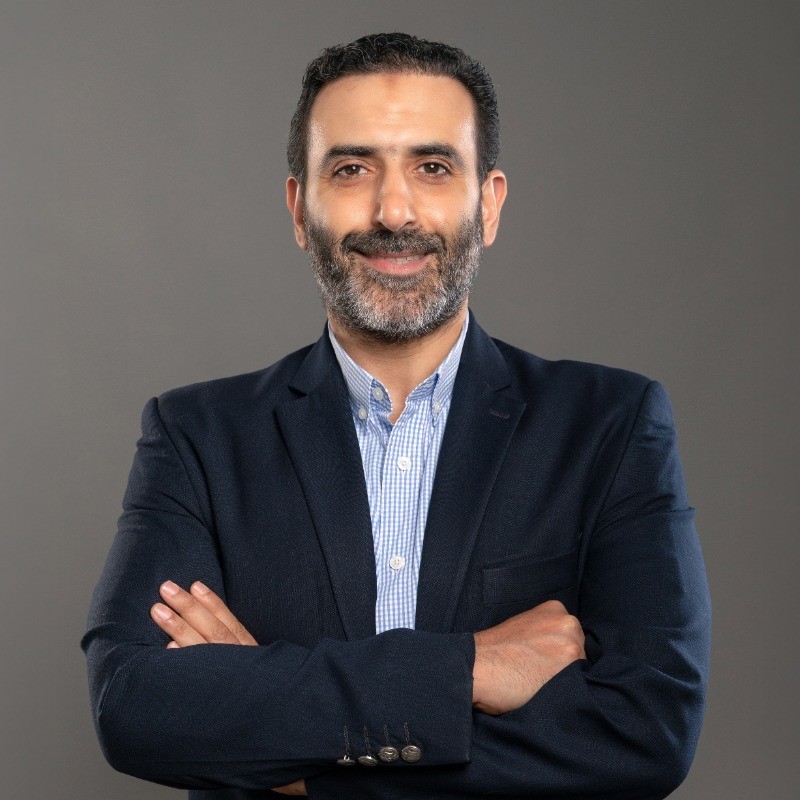
Advisor on commodities, agritech, and emerging technologies
Bruno Bianchini
Bruno brings over twenty-five years of experience in global commodity markets, combining a front-line trading career on the world's largest agricultural, energy, and metals contracts with the institutional expertise required to design commodity exchanges and Warehouse Receipts Systems for emerging economies. He has worked in more than fifteen African countries, advising governments, regulators, and leading international organisations on the regulatory, technological, and market infrastructure that formalises and finances commodity value chains.
He holds a Postgraduate Degree in International Affairs from the University of Pantheon-Sorbonne (Paris) and an MBA in Financial Markets from ESLSCA Paris, complemented by a Bachelor in Business Administration from the European University in Barcelona. He works fluently in English, French, Spanish, and Italian, and is proficient in HTML, PHP, SQL, Python, and Solidity, with active expertise in blockchain development, smart contracts, and data science.
Bruno began his career as a Coffee Trader at Cargill in New York and Geneva from 1997 to 1999, sourcing green coffee across Africa, Asia, and Latin America and operating on the three largest coffee futures contracts globally. He went on to trade power at BKW FMB in Bern, broker European energy markets at SKM Energy in Frankfurt, trade physical coffee for the Rothfos Group in Trieste, hedge automotive commodities at BNP Paribas Arval Trading, trade oil derivatives at Energex in Monaco, and set up the agricultural derivatives commodity brokerage desk at BGC Partners in Paris. Earlier, in 1997, he was trained on the coffee and cocoa value chain at the Ministry for Commodities of Ivory Coast under His Excellency Minister Alain Gauze, former Managing Director of the International Cocoa Organization (ICCO).
In 2010, Bruno transitioned into exchange leadership as Vice President of Business Development and Global Sales at the Global Board of Trade (GBOT) in Mauritius, launching seven futures contracts in commodities and currencies and leading commercial coverage across the African and Middle Eastern regions. In 2012, he served as Chief Strategy Officer at the Allocated Bullion Exchange (ABX) in Australia, designing the strategic plan, contracts, rules book, and innovative trading architecture for the launch of a regional precious metals exchange.
Since establishing himself as an independent consultant in 2011, Bruno has led some of the most significant commodity exchange and warehouse receipts initiatives across the African continent. From 2023 to 2026, he conducted the feasibility study for the first African Cocoa Exchange under the International Cocoa Organization (ICCO), covering the major producing areas of Ivory Coast, Ghana, Nigeria, and Cameroon, auditing the entire value chain and designing both Real-World Asset (RWA) Cocoa coins and Sustainable Reward Tokens. Between 2017 and 2020, he worked with the International Finance Corporation (IFC) of the World Bank in Ivory Coast and Senegal, creating the Warehouse Receipts Regulatory Agencies in both countries, designing the central depository software, architecting the commodity exchange ecosystem in Ivory Coast, and operationalising pilot phases on rice in Saint-Louis (Senegal) and cashew in Casamance. In 2020, he assisted the Ministry of Trade of Burkina Faso in setting up the national Warehouse Receipts Authority and System, including the law, decree, operating procedures, software design, and the live pilot refinancing the rice value chain in Bagré. The same year, he supported the Ministry of Agriculture of Togo on the PRIMA project for Togo and Benin financed by the International Fund for Agricultural Development (IFAD) and the Food and Agriculture Organization (FAO), advised the Liberia Agricultural Commodities Regulatory Authority (LACRA) for the United States Agency for International Development (USAID) through CDCI Consulting, and in 2022 led the commodity exchange feasibility study in Georgia for USAID through Deloitte.
Earlier African mandates include the Egycomex project in 2016, designing the largest planned spot and derivatives commodity exchange in the Middle East and North Africa region and authoring the Ingot Coin Initial Coin Offering whitepaper that raised the equivalent of forty-five million United States dollars; pan-African feasibility studies in Senegal, Morocco, Ivory Coast, and Egypt for the African Development Bank (AfDB), with publication of the agricultural market access sub-strategy for Africa; the regional commodity exchange feasibility study covering Togo, Ivory Coast, Burkina Faso, and Ghana for the Network of West African Farmers Organisations (ROPPA) and the Economic Community of West African States (ECOWAS); the feasibility study and implementation strategy for the national agricultural commodity exchange of Ivory Coast; analysis of value chains for the East African Exchange in Rwanda; the feasibility studies for commodity exchanges in Cameroon and Central Africa and the organisation of the 16th African Conference on Oil, Gas, and Mines in Niger, conducted as Associate Economic Affairs Officer at the United Nations Conference on Trade and Development (UNCTAD) in Geneva; and applied research for the Technical Centre for Agricultural and Rural Cooperation (CTA) on mobile applications for agri-value chain finance and on smallholder-inclusive finance for non-traditional value chains.
Beyond commodity exchanges, Bruno is a Panel of Recognised International Market Experts in Finance (P.R.I.M.E. Finance) arbitration expert specialised in providing clarity to complex financial disputes on African resources, an Environmental, Social, and Governance (ESG) strategist with a sustainability focus, and a designer of tailor-made artificial intelligence solutions for small and medium-sized enterprises. He is the author of several books, primarily on the disruptions brought about by artificial intelligence, and works actively in blockchain, smart contracts, and tokenisation, including Initial Coin Offerings.
Notably, the following accomplishments are to his credit:
Feasibility study and architectural design for the first African Cocoa Exchange across Ivory Coast, Ghana, Nigeria, and Cameroon for the International Cocoa Organization (ICCO), including the design of Real-World Asset (RWA) Cocoa coins and Sustainable Reward Tokens;
Creation of the Warehouse Receipts Regulatory Agencies in Ivory Coast and Senegal for the International Finance Corporation (IFC) of the World Bank, including the central depository software and pilot operationalisation on the rice and cashew value chains;
Drafting of the law, decree, operating procedures, and software design for the Warehouse Receipts Authority of Burkina Faso, with the live pilot refinancing the rice value chain in Bagré;
Design of the largest planned spot and derivatives commodity exchange in the Middle East and North Africa region under the Egycomex project, including the Ingot Coin whitepaper that raised the equivalent of forty-five million United States dollars;
Design of the regional Warehouse Receipts regulatory agency for the Togo and Benin PRIMA project, financed by the International Fund for Agricultural Development (IFAD) and the Food and Agriculture Organization (FAO);
Strategic plan, contracts, rule book, and innovative trading architecture for the launch of the Allocated Bullion Exchange (ABX) precious metals exchange in Australia;
Pan-African feasibility studies in Senegal, Morocco, Ivory Coast, and Egypt and the agricultural market access sub-strategy publication for the African Development Bank (AfDB).
Bruno has consulted directly with senior government officers and leading international organisations including the International Cocoa Organization (ICCO), the United States Agency for International Development (USAID), the World Bank's International Finance Corporation (IFC), the African Development Bank (AfDB), the United Nations Conference on Trade and Development (UNCTAD), the International Fund for Agricultural Development (IFAD), the Food and Agriculture Organization (FAO), the Economic Community of West African States (ECOWAS), the Network of West African Farmers Organisations (ROPPA), the Technical Centre for Agricultural and Rural Cooperation (CTA), the Government of Georgia, the Ministries of Trade and Agriculture of Ivory Coast, Burkina Faso, Togo, Liberia, and Senegal, the Liberia Agricultural Commodities Regulatory Authority (LACRA), the East African Exchange in Rwanda, the Allocated Bullion Exchange in Australia, and the Global Board of Trade in Mauritius, working through advisory firms including Deloitte, CDCI Consulting, and Darhein Noam.