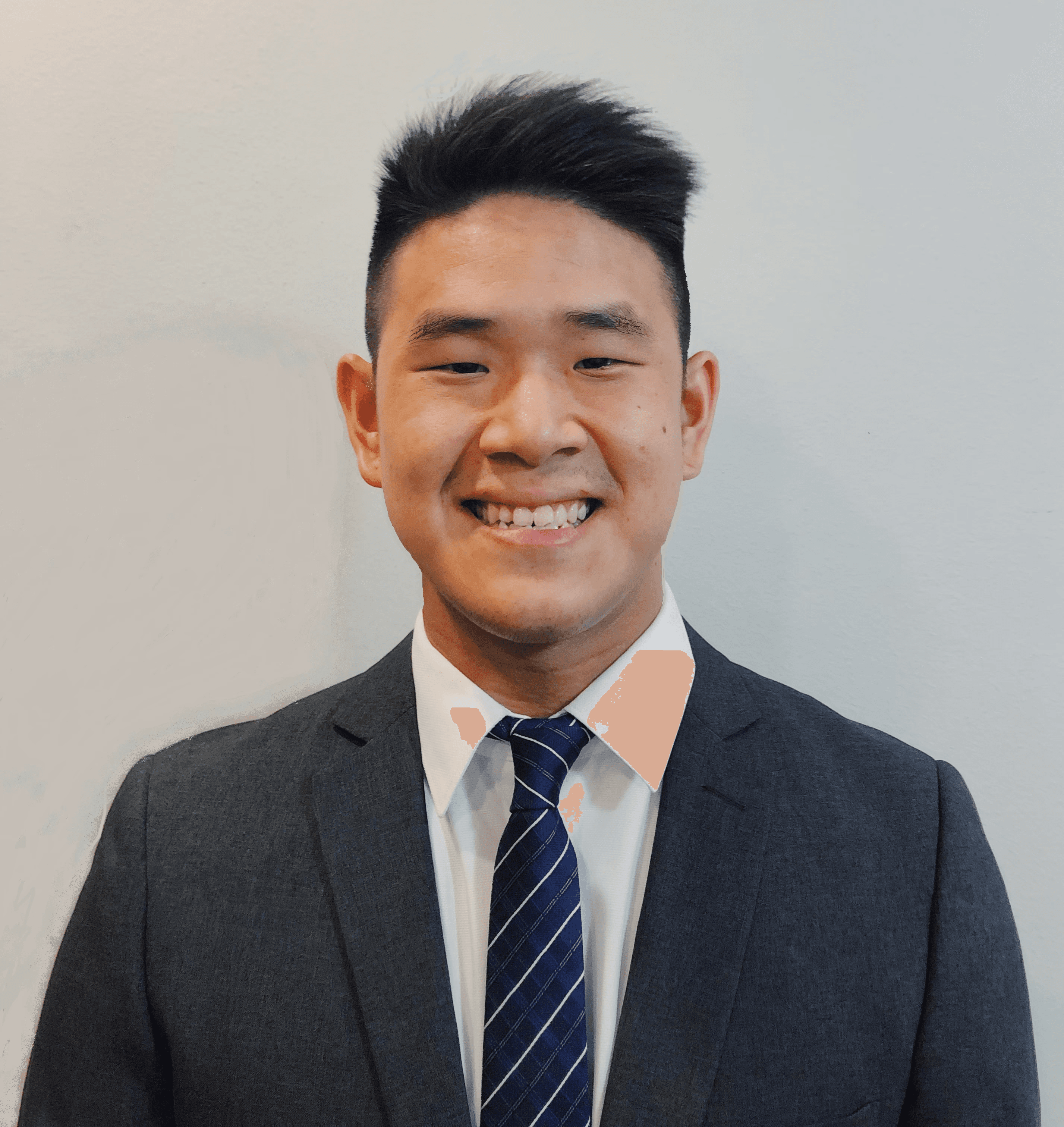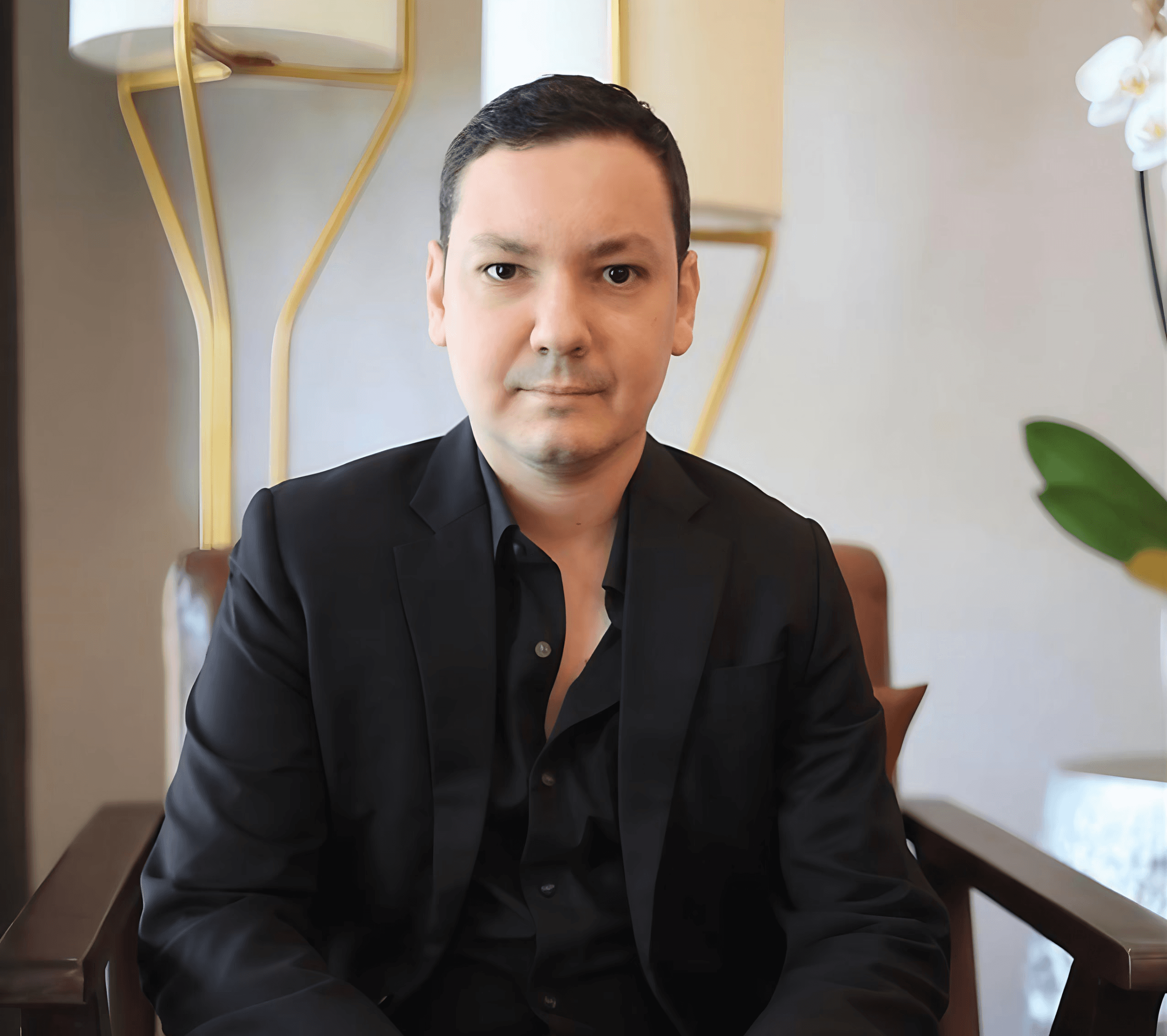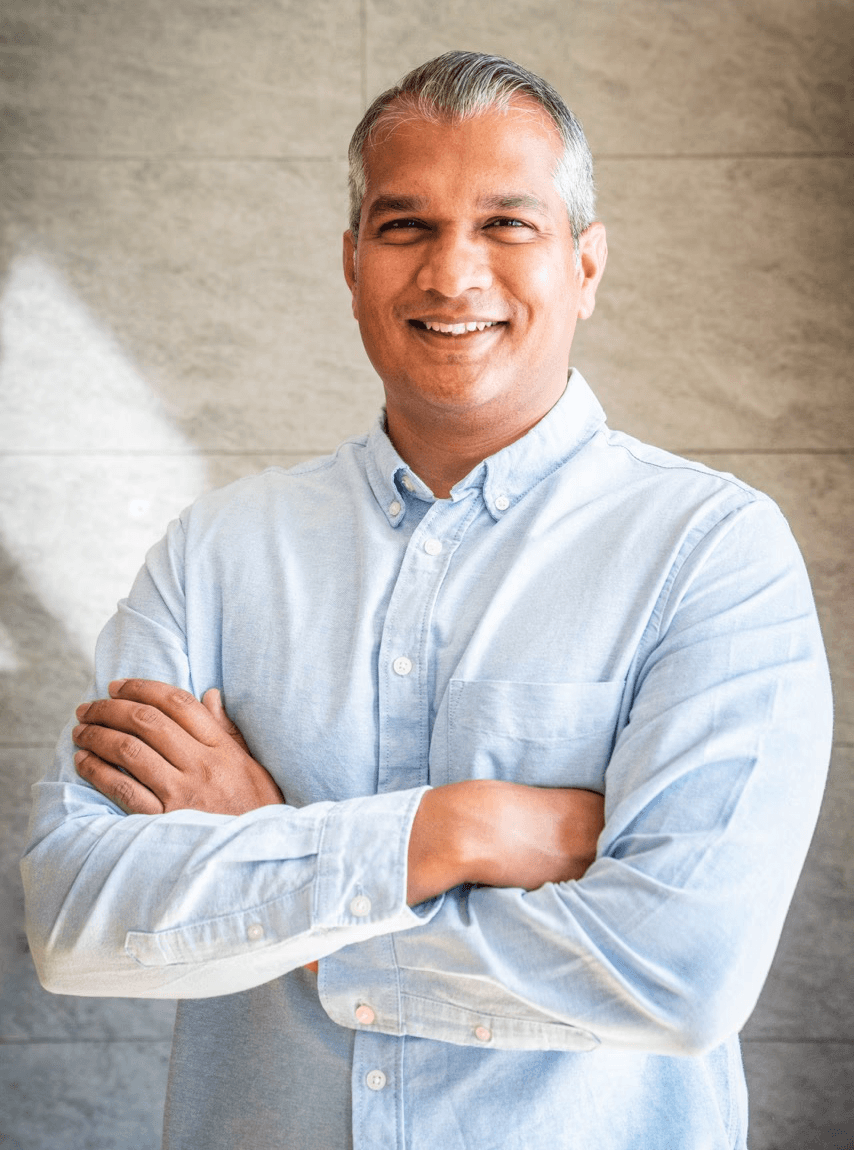
Associate Partner, Spatial Intelligence
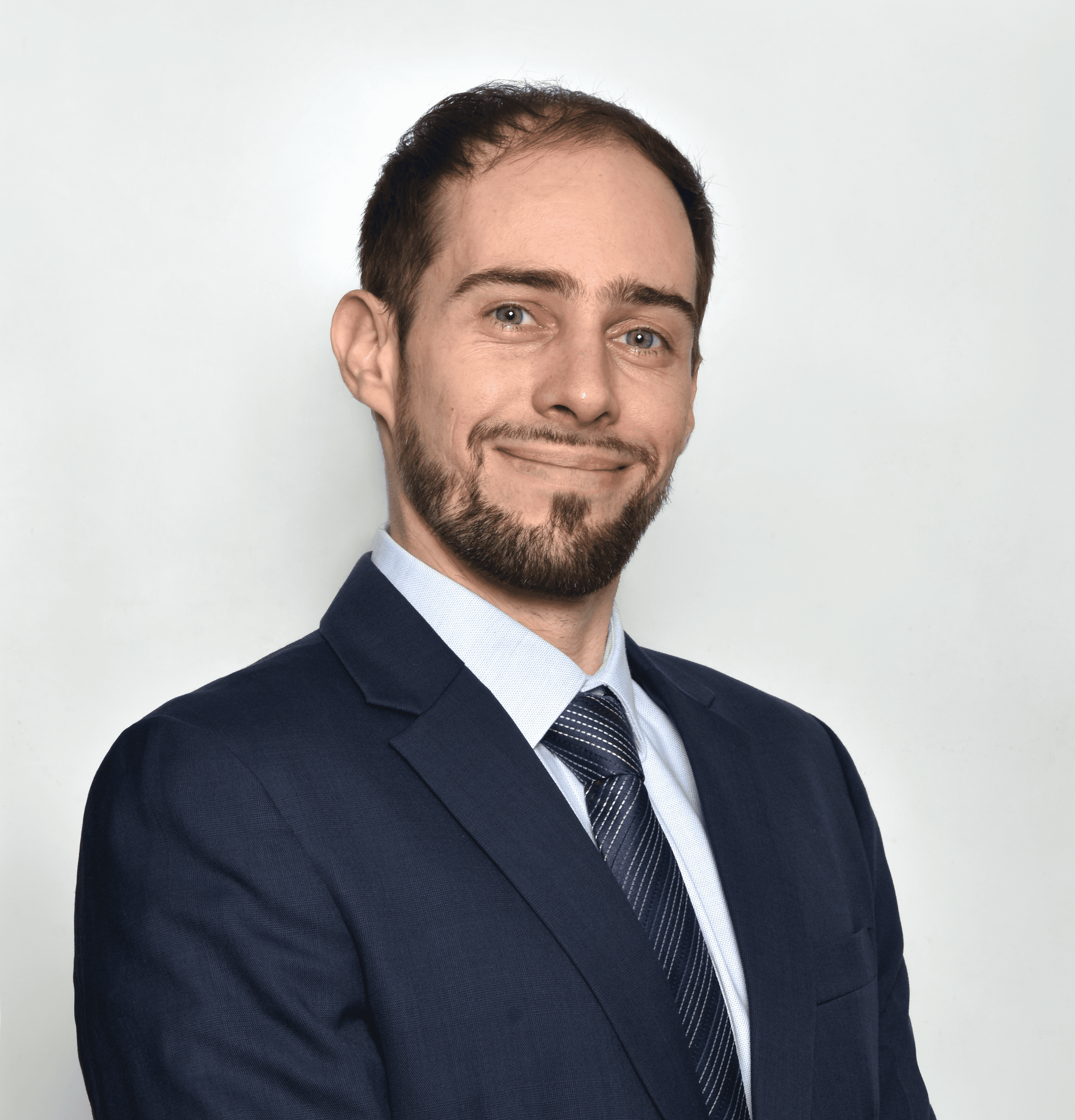
Francois Vienne
François leads Dunecrest' Spatial Intelligence practice. He is an urban planner and designer with more than a decade of international experience across Southeast Asia, the Gulf, Europe, Central Asia, and West Africa, working at the scale where spatial decisions become investment decisions. His work runs from metropolitan territorial planning down to plot-level development control, and its consistent thread is the translation of environmental, hydrological, and market constraints into planning rules that can actually be built and financed.
Much of his recent work has been for multilateral clients on climate-exposed coastal and river territories. For the Asian Development Bank and the Government of Timor-Leste he led the urban development plan and feasibility framework for a resilient port city at Ulmera, within the Dili to Liquiçá coastal corridor, structuring land use, housing, port-related economic functions, and mobility around coastal exposure, drainage constraints, and nature-based adaptation. In Uzbekistan, for the Asian Development Bank and the Government of Uzbekistan, he prepared multi-scale planning and urban design inputs for the Chirchiq river corridor and associated city centre and settlement components, converting hydrological and flood-risk constraints into practical planning instruments: no-build areas, controlled development zones, ecological restoration areas, riparian buffers, and soft mobility corridors. He has also worked on urban design guidelines and development control for Eko Atlantic City in Lagos, and on coastal and riverfront masterplanning strategy for Da Nang in Vietnam. He founded Vienne and Associés in Singapore in 2026, through which he works as an independent expert alongside his role at Dunecrest.
Climate-sensitive planning has been part of his practice for far longer than it has been fashionable. For the Hai Phong People's Committee he contributed to the 2050 integrated territorial and urban development master plan for a national logistics and maritime gateway, running the territorial diagnosis across demographic, economic, ecological, and climate-risk conditions and preparing the ecological structuring and environmental resilience strategies. On the New Yangon City metropolitan expansion plan, a 9,000-hectare extension of Greater Yangon for the New Yangon Development Company and the Japan International Cooperation Agency, he addressed flooding and climate risk alongside urbanisation patterns and infrastructure capacity, structuring the land use and mobility framework around ecological buffers. For a proposed coastal special economic zone in Koh Kong province, Cambodia, he assessed coastal risk, hydrology, and ecological assets, and built a development framework intended to hold economic ambition and ecological sensitivity in the same plan. On a 4,000-hectare industrial new town in Subang, Indonesia, he developed the integrated environmental systems, applying sponge city principles, a micro-grid strategy, and smart water management to an industrial rather than a residential context.
He began his career as a senior sustainability engineer at ENGIE Lab in Singapore, contributing to the national Smart Nation programme through pilot work on district energy efficiency, behavioural analytics, and digital services in public housing estates and university campuses, and he was part of the team that established the ENGIE Lab presence in Singapore. That work continued into a multi-year framework for the Housing and Development Board on digitally enabled townships. He went on to hold urban planning and design roles at CPG Consultants and AECOM in Singapore, at WSP in the United Kingdom as an associate masterplanner in the masterplanning and development advisory unit, and at Assystem in France as a senior urban designer and project leader, where he built a substantial share of his team's contract portfolio and led bid responses for strategic frameworks and major masterplanning contracts across the United Kingdom and international markets.
Alongside the environmental work, he has a strong commercial and feasibility record. He contributed to the strategic development framework and financial modelling for a 723-hectare reclamation project in Manila Bay for SM Prime Holdings, restructured the seven square kilometre Dubai Silicon Oasis free zone around innovation cluster positioning for the Dubai Silicon Oasis Authority, and led a 30-hectare central redevelopment in Ho Chi Minh City combining state-owned and private land parcels, where the land value strategy was paired with a socially responsible resettlement model. On a Soviet-era collective housing district in Hanoi he designed a full on-site resettlement model, allowing higher-density redevelopment to attract private investment without displacing the existing community. He holds a certification in commercial real estate investment from the Massachusetts Institute of Technology.
François holds a master's degree in urbanism and regional planning, awarded summa cum laude, and a magistère in urban planning, both from the University of Paris 1 Panthéon-Sorbonne. He is a member of the Singapore Institute of Planners and has been an affiliate member of the Urban Land Institute Asia Pacific and an associate member of the International Society of City and Regional Planners. He has worked in fifteen countries, is a native French speaker with fluent English and intermediate Spanish, and is a visiting lecturer at the University of Architecture of Ho Chi Minh City, where he sits on juries and teaches urban design studios and courses on urban resilience and investment.