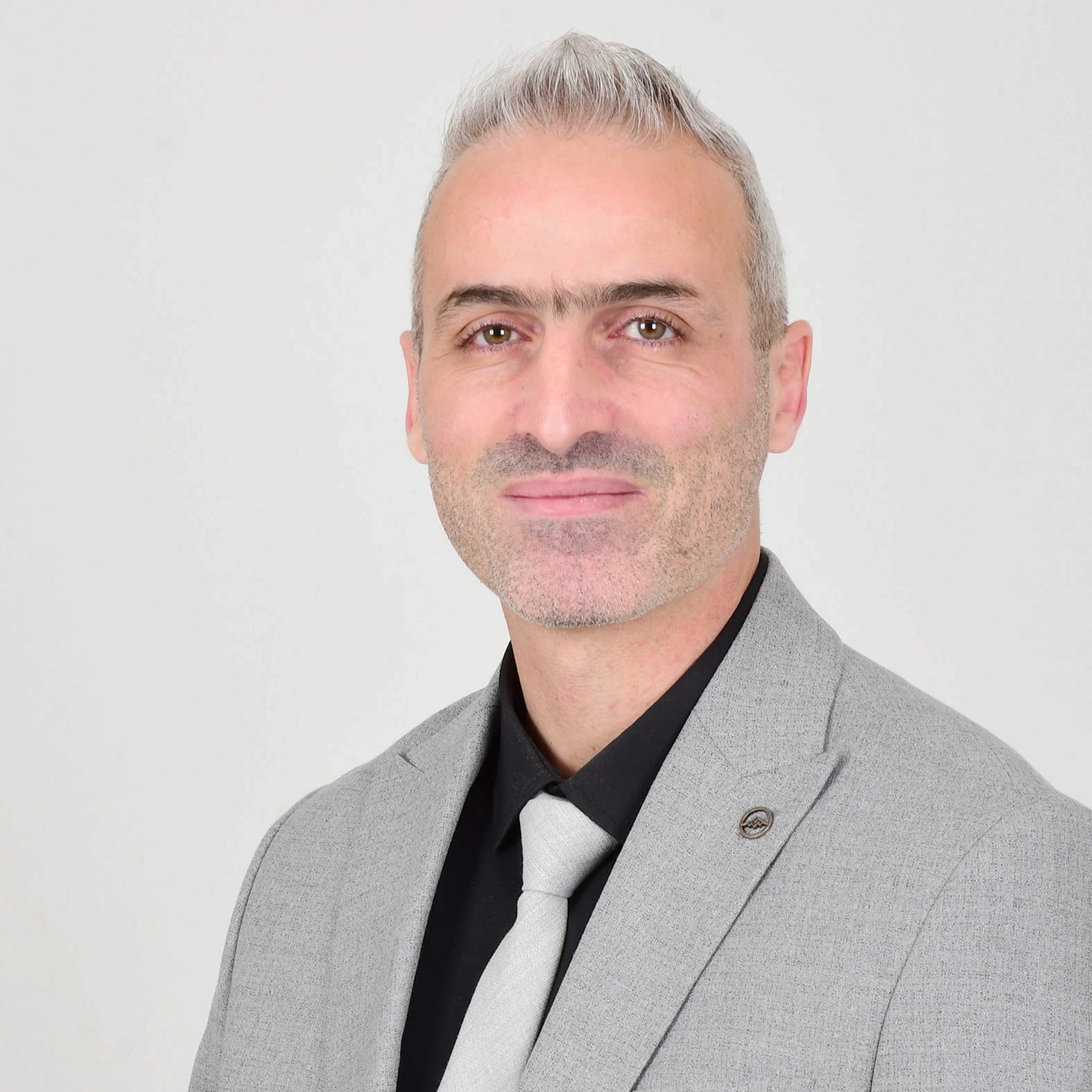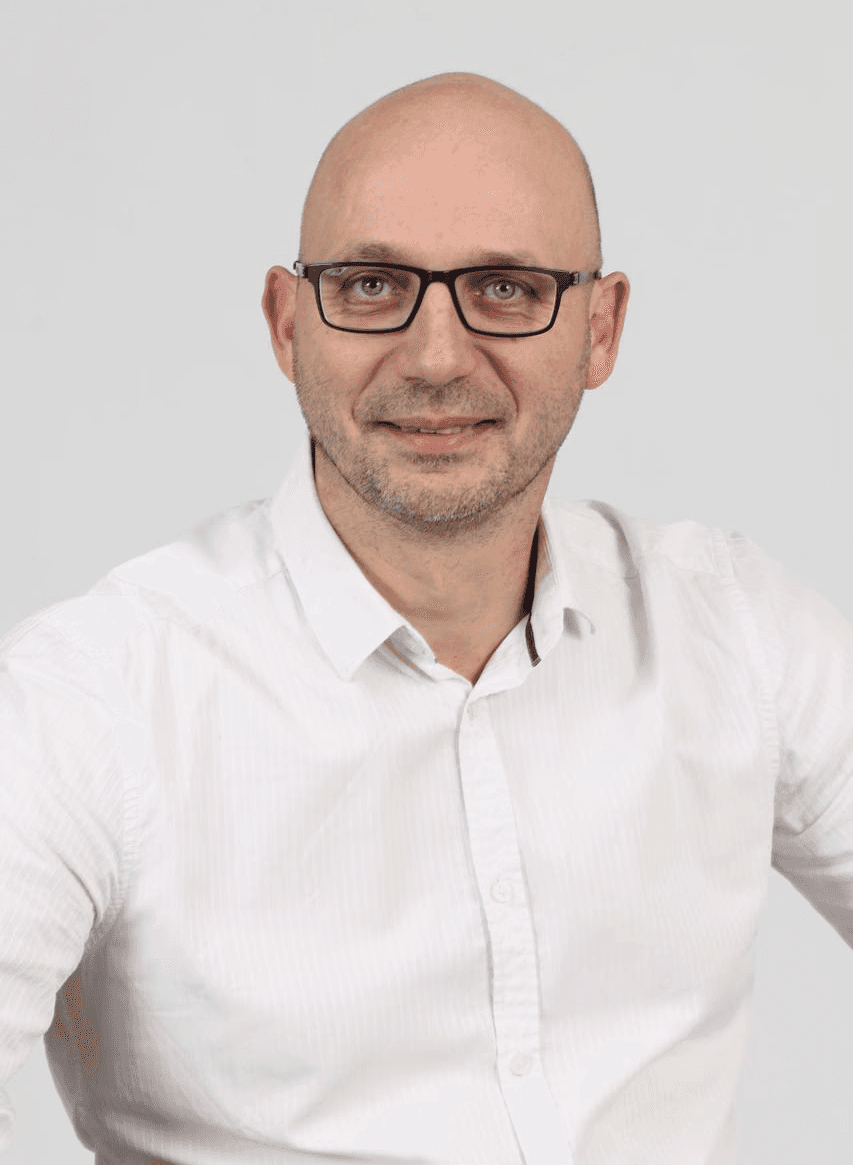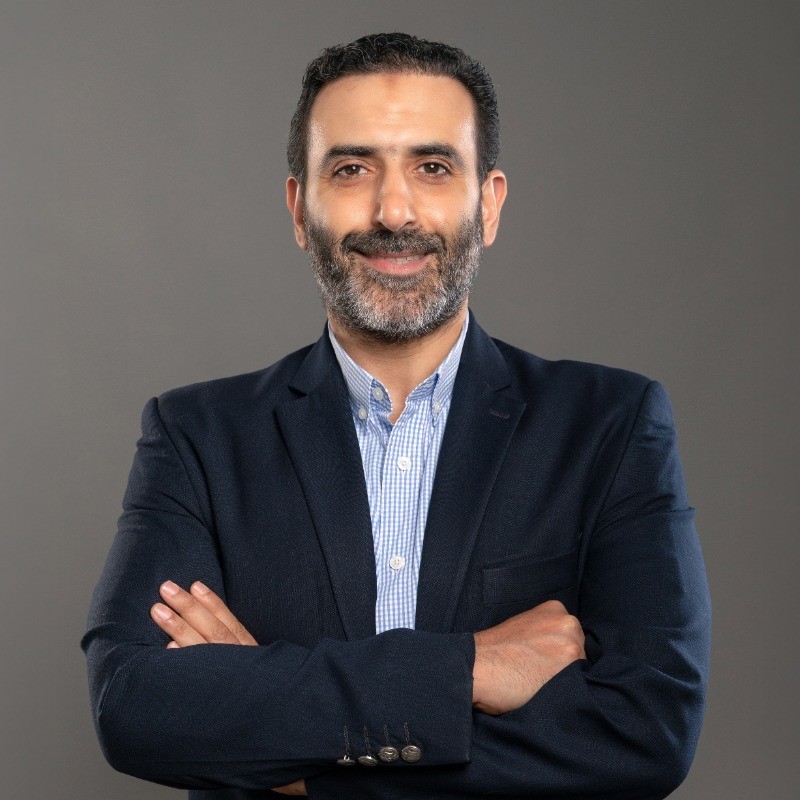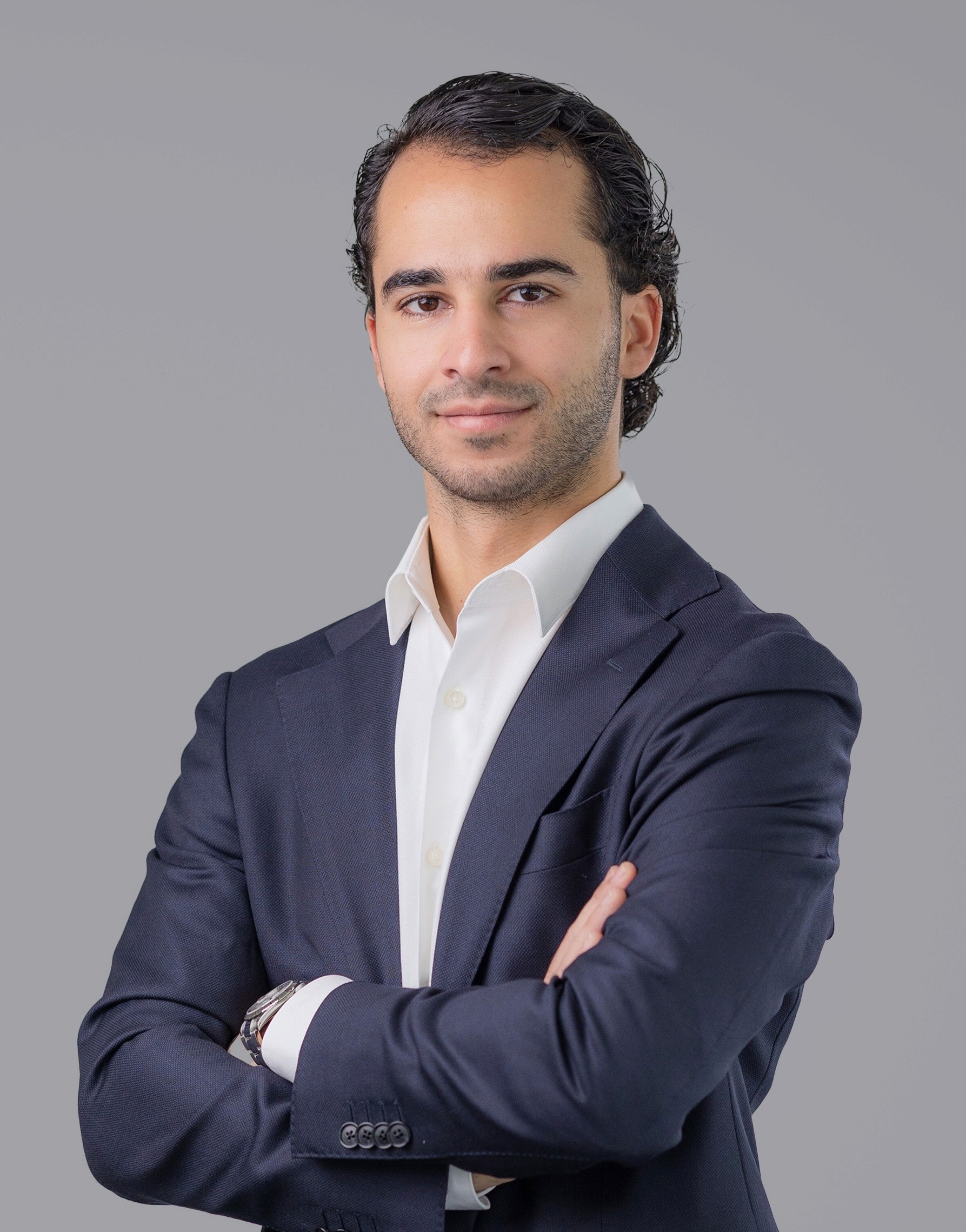
Associate Partner, Sustainable Infrastructure
Nass Terribas
Nass leads Dunecrest's Sustainable Infrastructure practice. He is a climate and blended finance specialist with more than 15 years of experience directing multi-million-euro technical assistance programmes for the European Union, the World Bank, the European Bank for Reconstruction and Development, GIZ, and others, across economic governance, private sector development, and sustainable finance. His work concentrates on a single problem: how to make climate and infrastructure projects bankable in markets where private capital will not go on its own. That means designing the instruments, the risk allocation, and the institutional arrangements that turn a national priority into something an investment committee will approve.
The clearest illustration is the Investment Co-Financing Facility under the World Bank's Finance for Jobs programme in Palestine, which he designed, operationalised, and managed. The facility deployed 20 million US dollars of blended capital and mobilised more than 150 million US dollars of private investment across light manufacturing, renewable energy, agribusiness, information technology, and infrastructure, in one of the most difficult investment environments in the region. He directed the full investment lifecycle, from screening and financial due diligence through environmental and social risk assessment, transaction structuring, and financial close, and built the liquidity enhancement mechanisms (deposit accounts, letters of credit, and cash-flow waterfall models) that made private participation possible. Alongside it he ran a 2 million US dollar results-based financing facility supporting accelerators and incubators, which mobilised a further 8.5 million US dollars from seed funds and early-stage venture capital. The operational manuals and investment evaluation tools he developed were adopted by the Ministry of Finance and Planning, embedding the approach beyond the life of the programme.
His climate finance work has been anchored in the water-energy-food nexus across Israel, Jordan, and Palestine with EcoPeace Middle East, where he served as green finance and investment advisor and now supports the financial dimension of the Advancing Climate Resilience programme funded by the Swedish International Development Cooperation Agency. He contributed to the TerraFund and Green Bridge Fund concept papers, positioning both for development finance institution and impact investor mobilisation, and designed de-risking frameworks combining donor grants, concessional finance, and private capital to raise the bankability of green infrastructure in cross-border and fragile contexts. His current work covers financial and economic assessments for regional water investment concepts, investment proposals and models integrating capital expenditure estimation, tariff scenarios and cash-flow performance, and engagement with the European Investment Bank, the EBRD, the International Finance Corporation, and KfW, aligned to European Union Global Gateway and Team Europe priorities.
Nass has also worked at the institutional end of the green transition. For a GIZ-funded programme he conducted diagnostics of Palestinian microfinance institutions and designed the environmental and social risk management frameworks, environmental, social and governance screening tools, exclusion lists, and green eligibility criteria that allow smaller lenders to build a credible green portfolio. For PADICO Holding he led the design and integration of an environmental, social and governance strategy across a multi-sector portfolio spanning energy, infrastructure, real estate, and telecommunications, running the gap analysis and materiality assessment and building a tiered indicator set that lets subsidiaries of very different maturity onboard progressively. As an SME adviser for the EBRD in Jordan and Palestine he led feasibility studies and financial models for renewable energy and agri-industrial ventures, including a 2 MW solar photovoltaic installation, using discounted cash flow, break-even, and multi-scenario forecasting to support capital raising.
He currently serves as team leader of the European Union's EU4Business trade, investment, and standards programme in Palestine, coordinating a 12 million euro programme envelope on behalf of the Ministry of National Economy and directing a 3 million euro technical assistance programme covering trade development, competitiveness, quality infrastructure reform, and investment facilitation, including the design of the country's public-private partnership reform framework. Earlier assignments include team leadership of the EU-funded Euromed Cluster Forward programme in Jordan and Palestine, an impact investment facility for Oxfam supporting rural economic recovery, regional green and circular economy work across the Mediterranean under the EU RESET programme, and, at PwC, leadership of the institutional restructuring of Palestinian electricity distribution companies under an EU sector reform programme, advising the national energy authority on utility consolidation and tariff reform pathways. He also led the financial valuation and commercial due diligence of the Rawabi city project on behalf of the Qatar Fund for Development.
Nass holds a master's degree in global management of business administration from the Instituto de Estudios Bursátiles in Madrid and a bachelor's degree in economics from the Universidad de Málaga, with additional study in project management for sustainable development at the Universidad Complutense de Madrid. He is a certified financial modelling and valuation analyst and an environmental, social and governance specialist with the Corporate Finance Institute, holds a certificate in renewable energy and solar financial modelling, and has completed World Bank training in social and environmental safeguards and in socio-cost benefit analysis. Based in Spain, he works in Spanish, English, and Arabic, and has delivered assignments in sixteen countries across Europe, the Middle East, North Africa, and West Africa. He writes regularly on climate finance, sustainable investment, and the green transition in the Mediterranean region.